

Hydroseeding vs Seeding: Which Method Gets Grass Faster
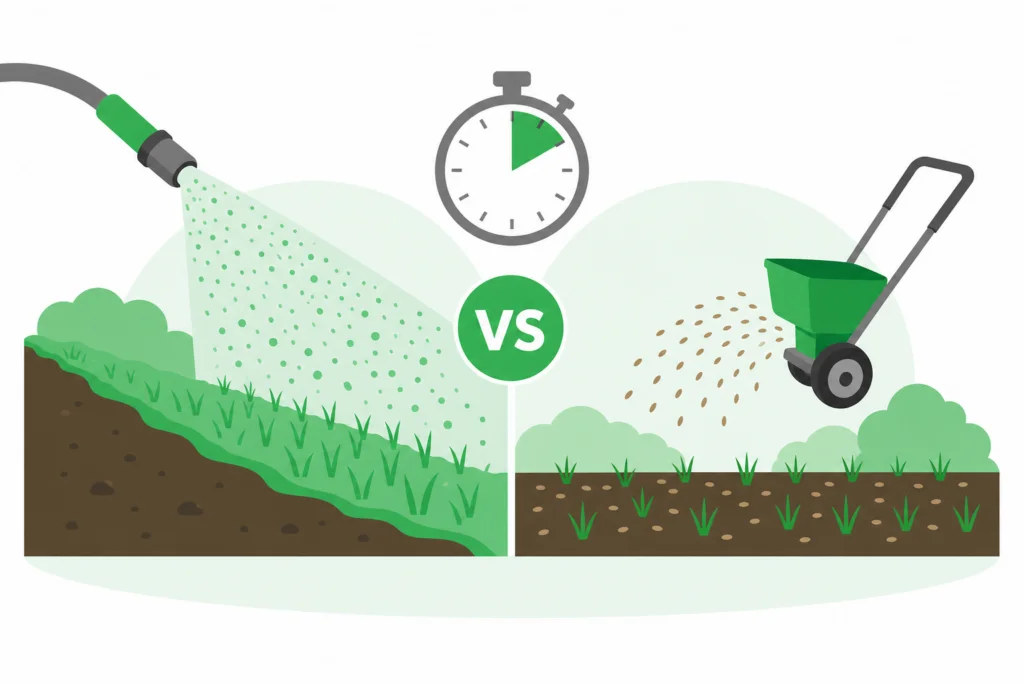
Hydroseeding usually gets grass sprouting faster, often within 7 to 10 days, and it holds soil much better on slopes. Traditional seeding costs less up front and works well on small, flat, well-prepared lawns. Both need steady watering. Your site’s size, slope and budget decide which one is right. Which gets grass faster? In most […]
Erosion Control Rip Rap: When and How to Use It on Slopes
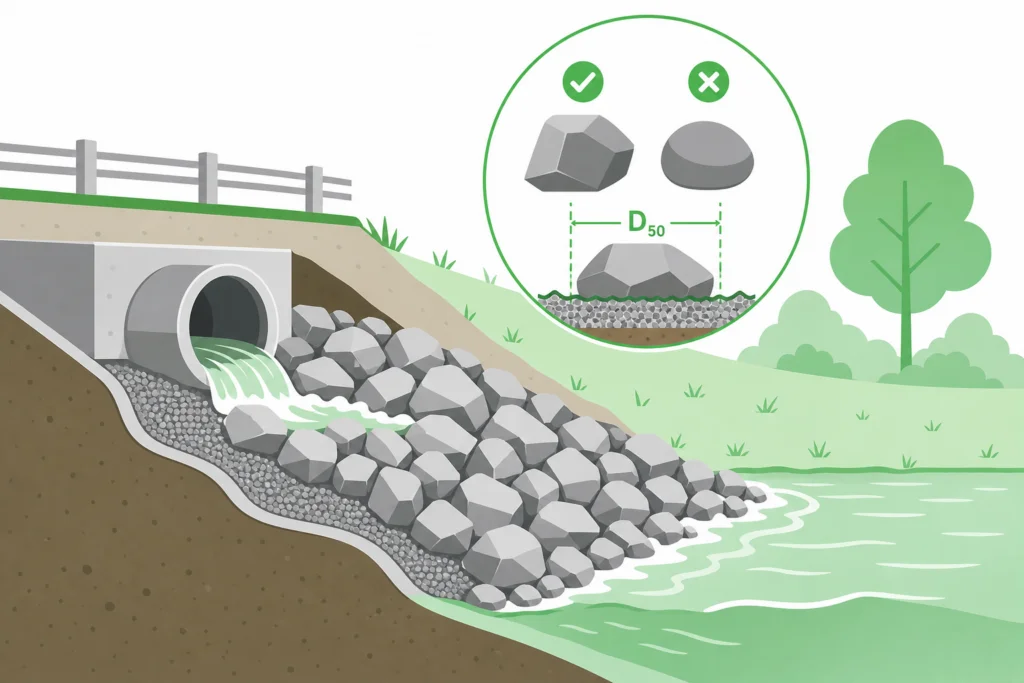
Rip rap is a layer of large, angular stone laid over filter fabric or gravel to protect soil from fast-moving water or waves. It’s the right tool where water hits hard: culvert outlets, channel banks and shorelines. On gentler slopes with only rainfall runoff, grass, erosion mats or turf reinforcement mats usually do the job […]
Hydroseeding for Homeowners: Grow a Healthy Lawn Faster
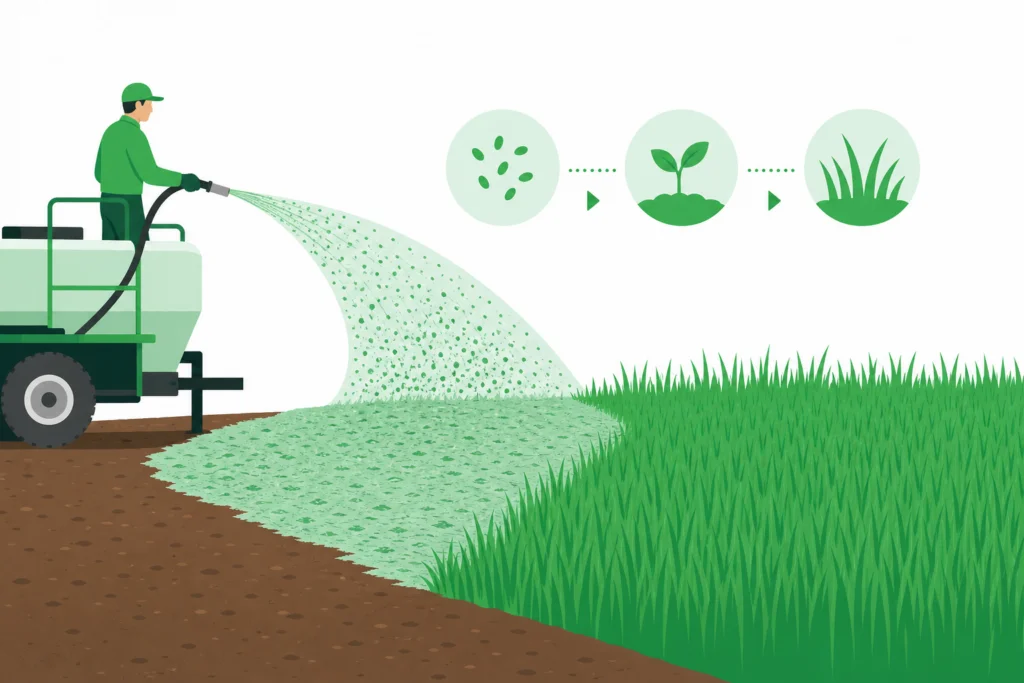
Hydroseeding sprays a mix of seed, mulch, water and fertilizer onto prepared soil. Grass usually sprouts within 5 to 7 days and is ready for its first mow in about a month. It costs far less than sod, comes up faster than dry seed, and suits most open lawns. What is hydroseeding? Hydroseeding applies seed […]
Coastal Erosion Control Methods That Hold the Shore
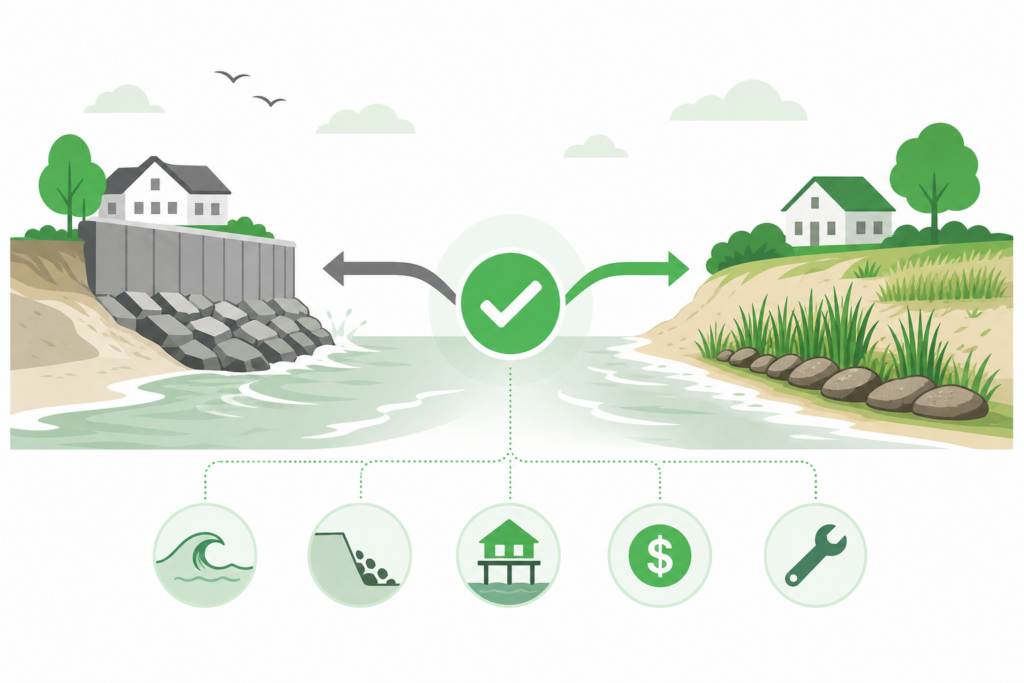
The right way to stop coastal erosion depends on what’s causing it and how hard the water hits your shore. Hard structures like seawalls, bulkheads and revetments block or deflect waves. Soft methods like living shorelines and beach nourishment absorb them. Sloped banks above the reach of waves are usually best handled with erosion mats […]
Spray Liquid Grass: What to Expect Before You Buy It
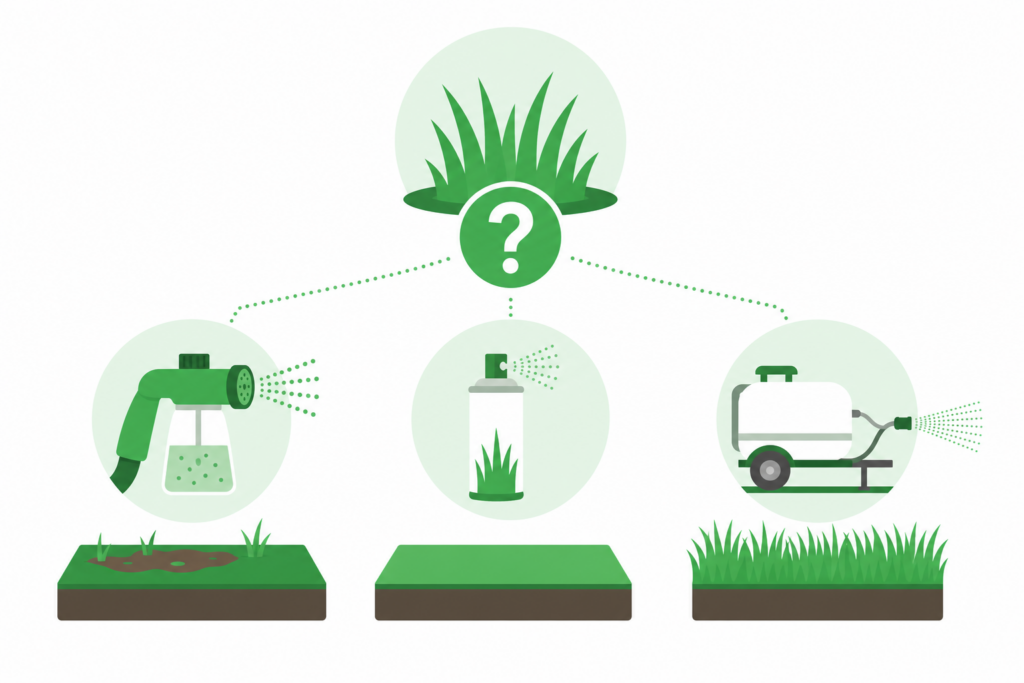
Spray liquid grass can work for small bare spots if you prepare the soil, spray evenly and keep the area moist. Reviews of consumer kits are mixed. Grass paint only changes the color and grows nothing. For large areas or slopes, professional hydroseeding is far more reliable. “Liquid grass” actually means three different things: hose-end […]
Floating Turbidity Barrier: How It Works on Active Job Sites
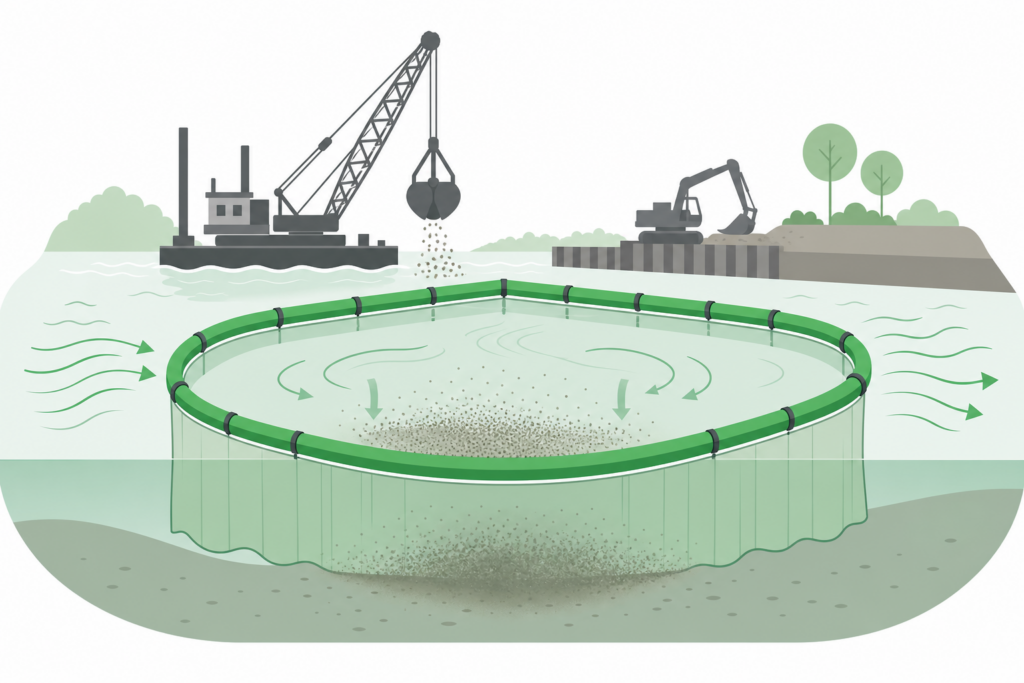
A floating turbidity barrier is a floating boom with a fabric skirt hanging below it. It surrounds an in-water work area so stirred-up sediment settles inside instead of drifting away. To work properly, it has to match the water conditions, be anchored at both ends, hang clear of the bottom, and stay in place until […]
Sediment Tube Options: How to Choose the Right One for You
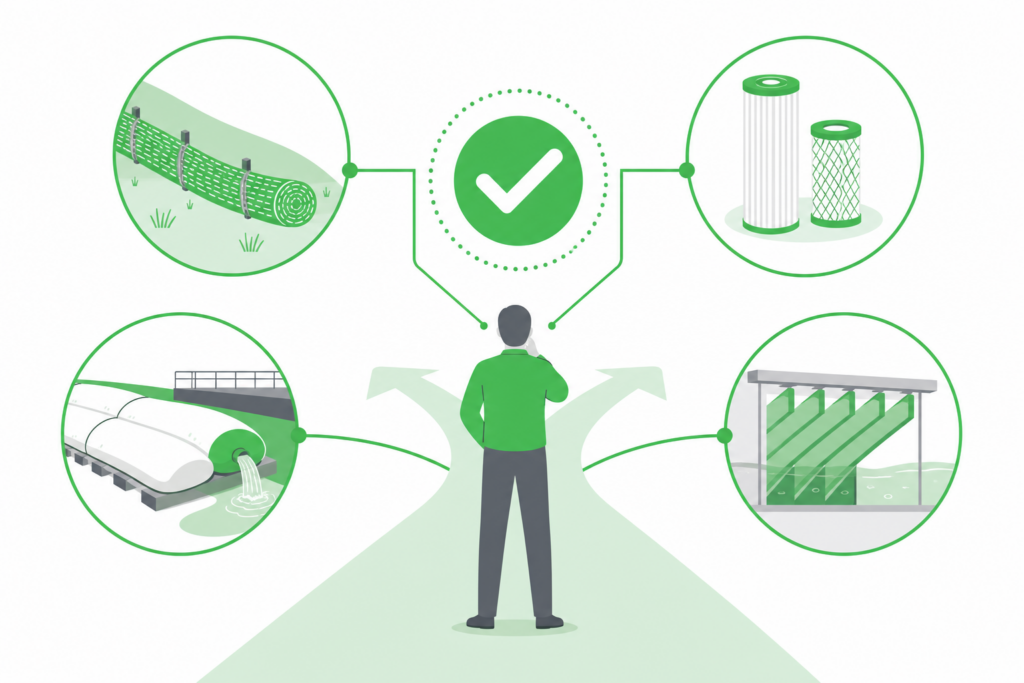
On a construction site or slope, a sediment tube (also called a wattle or silt sock) is a long tube filled with straw, rice hulls or a similar material. It’s laid across the slope in a shallow trench to slow runoff and catch soil before it leaves the site. The key to making it work […]
Curb Inlet Protection Options: What Buyers Need to Know
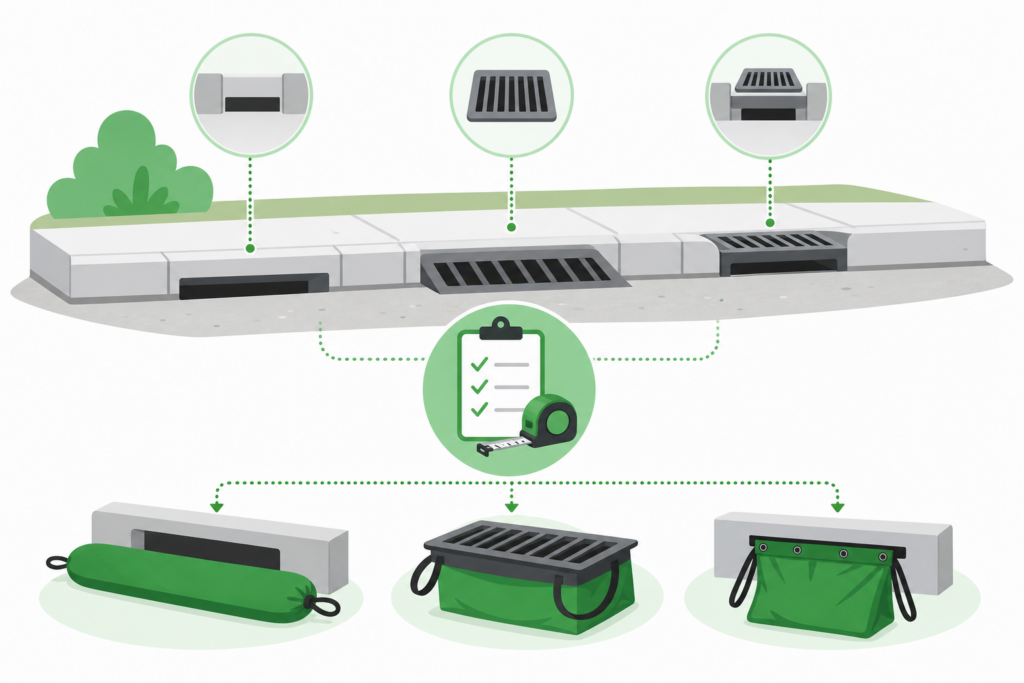
To choose curb inlet protection, first figure out what kind of storm drain inlet you have: a curb opening, a grate, or both. Measure it, then pick a device built for that inlet type, such as a curb tube, curb sack or sediment bag. Make sure water can still overflow in a heavy storm, and […]
Erosion Control Blanket Installation: A Step-by-Step Guide
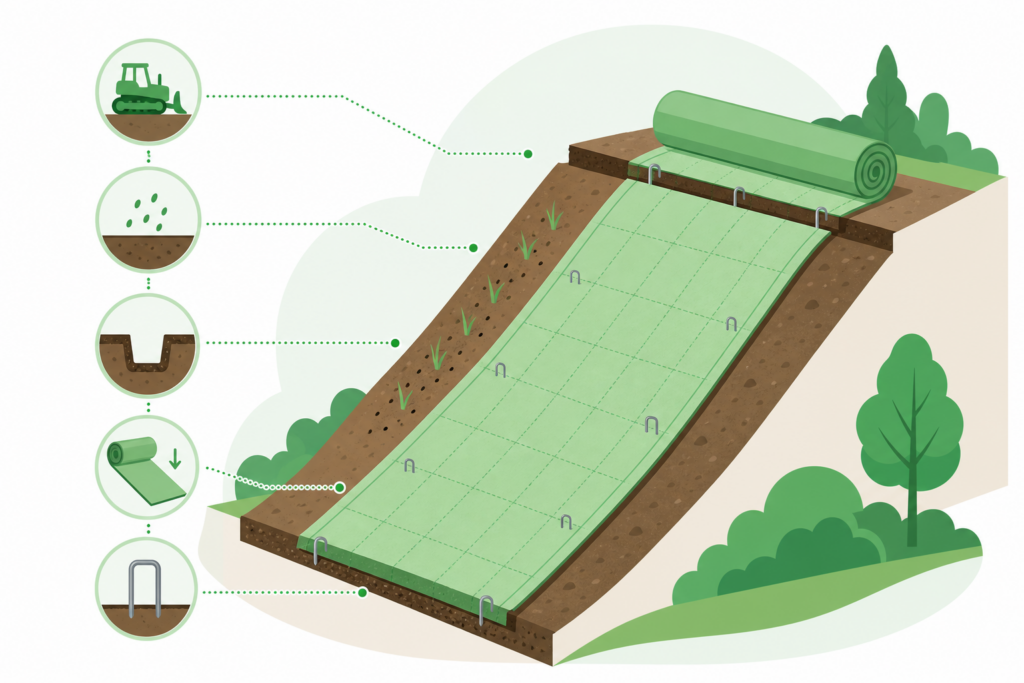
Installing an erosion control blanket follows a set order: clear and smooth the slope, seed it, dig anchor trenches at the top and bottom, unroll the blanket downhill, overlap the rolls like roof shingles, and staple it down. Seeding first and anchoring properly are the two steps you can’t skip. Missing either one is the […]
Hydrograss Explained: How It Works and What It Can Grow
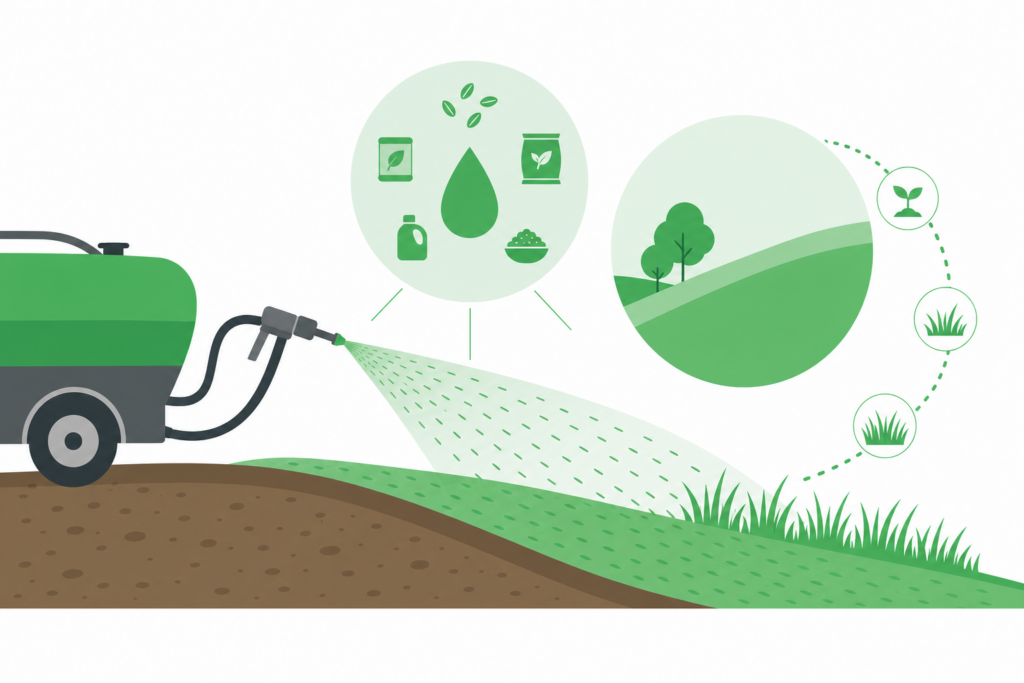
“Hydrograss” is another name for hydroseeding: spraying a mix of seed, mulch, fertilizer, a natural binding agent and water onto prepared soil in one pass. First sprouts usually show up within 7 to 14 days, a full lawn fills in within 4 to 6 weeks, and it costs less than sod. Whether you’re starting a […]