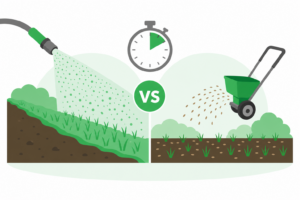
Hydroseeding vs Seeding: Which Method Gets Grass Faster
Hydroseeding usually gets grass sprouting faster, often in 7 to 10 days, and holds soil better on slopes. Traditional seeding costs less up front and


Hydroseeding usually gets grass sprouting faster, often in 7 to 10 days, and holds soil better on slopes. Traditional seeding costs less up front and
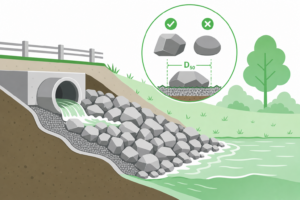
Erosion control rip rap is a layer of large, angular stone placed over a filter fabric or gravel bed to armor soil against concentrated flow
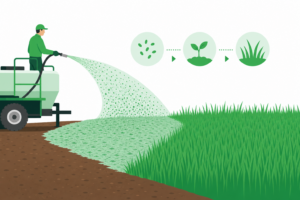
Hydroseeding for homeowners means spraying a slurry of seed, mulch, water and fertilizer onto prepared soil. Grass typically sprouts in 5 to 7 days and
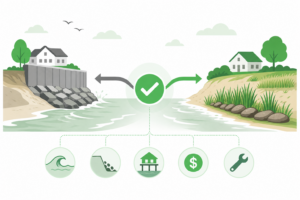
The right coastal erosion control method depends on what is causing the loss and how much wave energy hits the site. Hard options like seawalls,
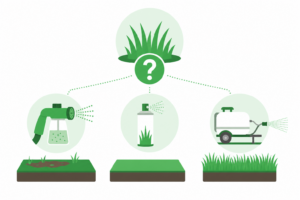
Spray liquid grass can work for small bare spots if you prep the soil, spray evenly, and keep the area moist. Reviews of consumer kits
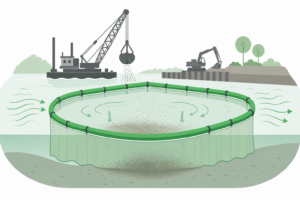
A floating turbidity barrier is a buoyant boom with a hanging fabric skirt that isolates a work zone so suspended sediment settles instead of spreading.

Choose a sediment tube by the job. For construction or slope runoff, use a straw or rice hull wattle (silt sock) anchored in a shallow
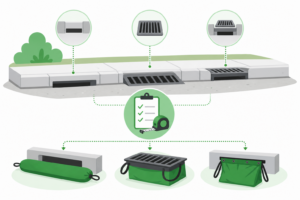
To choose curb inlet protection, first identify whether your inlet is a curb opening, a grate, or a combination. Then measure the throat length or
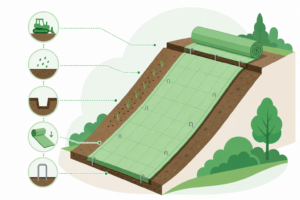
Erosion control blanket installation follows a fixed sequence: clear and grade the site, seed before the blanket goes down, dig anchor trenches at the top
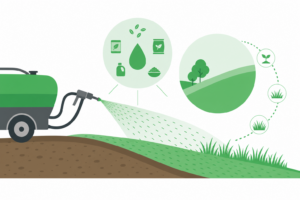
Hydrograss is a shorthand name for hydroseeding: a process that sprays a water-based slurry of seed, mulch, fertilizer, tackifier, and water onto prepared soil in

Professional spray grass seed, also called hydroseeding, uses commercial equipment, calibrated slurry mixes, and trained operators to produce coverage that consumer hose-end kits cannot match.
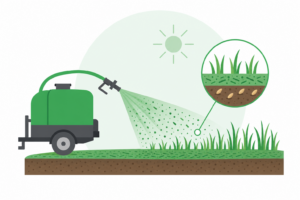
A Bermuda hydroseed application works best in hot climates when soil temperatures reach 65 to 70°F, typically late spring to early summer. The bermuda hydroseed